Glossary · Stoicism
What is the Stoic dichotomy of control?
Quick answer
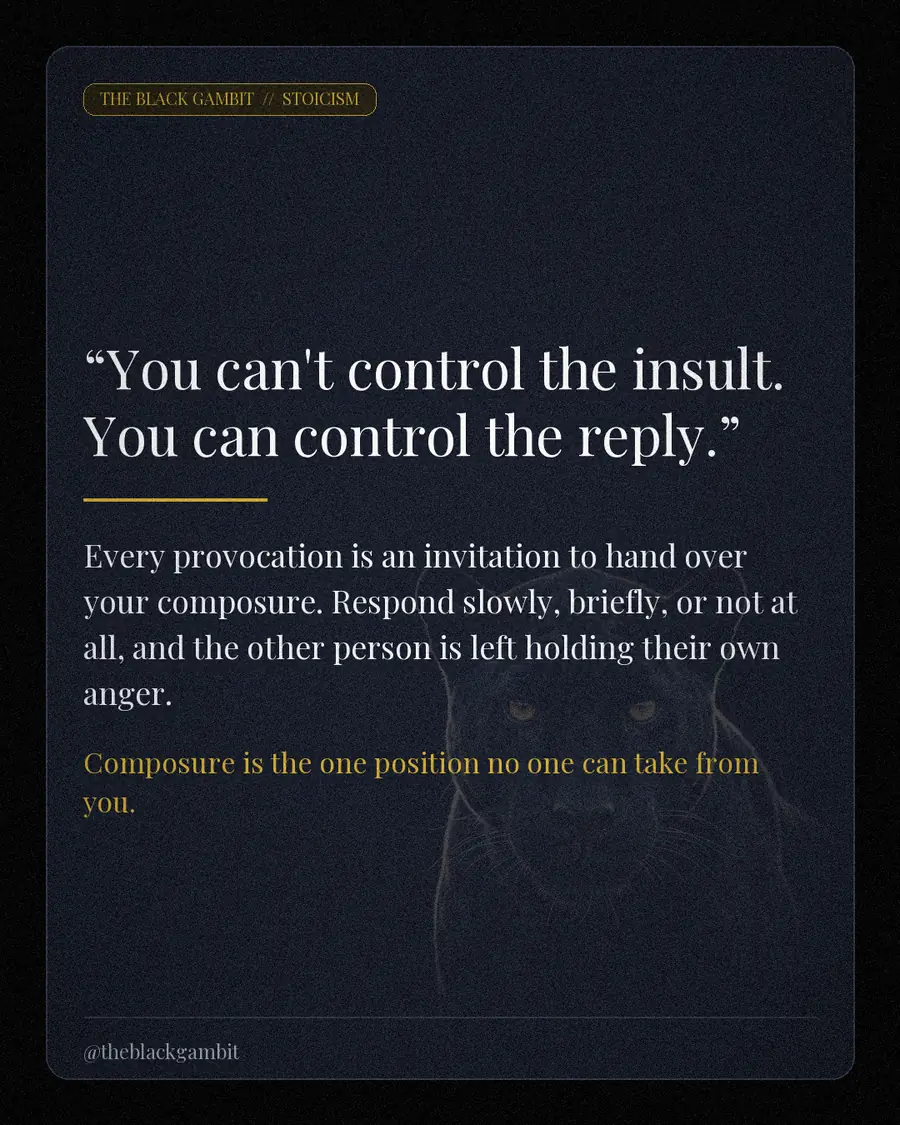
The dichotomy of control is the Stoic idea that some things are up to us, such as our judgments, choices and effort, and others are not, such as other people's opinions, the economy or outcomes. The Stoic philosopher Epictetus opens his Enchiridion with it. Calm comes from putting energy only into the first group.
How it works
Much stress comes from treating what we cannot control as if we could: replaying a manager's mood, checking markets hourly, waiting for an apology. Separating the two lists turns worry into a plan: do your part fully, then let the result be what it is.
An example
You cannot control whether you get the promotion. You can control the quality of your work, how clearly you show its results, and whether you ask for the role directly.
What to do
When something worries you, write two columns: what is up to me, and what is not. Act on the first today and set the second aside.
Questions people ask
Does it mean I shouldn't care about outcomes?
No. It means caring through what you can do: preparation, effort and choices, while accepting that the final outcome also depends on things outside you.
Where does the idea come from?
From Stoic philosophy, most famously the opening of Epictetus's Enchiridion, and it is echoed in Marcus Aurelius's Meditations.
See also: Sunk cost fallacy · Compounding · Lifestyle inflation · Emergency fund (runway)